book your appointments on : 7496004163, 9991920720

gap closure
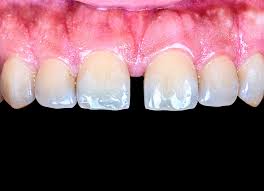
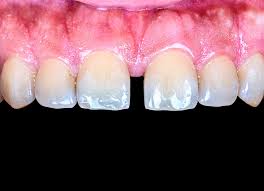
A diastema is a gap between teeth, most commonly the front ones, which can be a normal developmental phase in children but may persist into adulthood, often as a cosmetic concern, though sometimes linked to gum disease or bite issues, with treatments ranging from fast bonding for small gaps to braces, veneers, or aligners for larger spaces, addressing both aesthetics and function.
Causes of Diastema
Tooth & Jaw Size Mismatch: Teeth may be too small for the jaw, or the jaw too large.
Tongue Thrusting/Thumb Sucking: Habits that push teeth forward.
Gum Disease: Can cause bone loss and tooth loosening, leading to gaps.
Missing Teeth: A missing tooth (like a 'peg lateral') can create a space.
Treatment Options for Gap Closure
Dental Bonding: Tooth-colored resin applied to fill small gaps; quick and affordable.
Porcelain Veneers/Laminates: Thin shells bonded to the front of teeth to change their shape and close gaps, good for minor to moderate spacing.
Orthodontics (Braces/Aligners): Traditional braces or clear aligners (like Invisalign) gradually move teeth together, ideal for larger gaps or complex cases.
Crowns: Used for wider gaps or when teeth are damaged, covering the entire tooth.
Frenectomy: A surgical procedure to release the frenum (tissue connecting lip to gum) if it's causing the gap.
When to See a Dentist
For health: If the gap traps food or is linked to gum disease.
For appearance: To improve self-image and smile aesthetics.
A dentist can diagnose the cause and recommend the best solution, balancing cost, time, and desired outcome.