book your appointments on : 7496004163, 9991920720
veneers
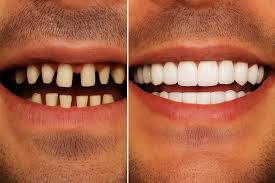
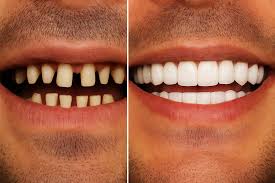
Veneers are thin, custom-made shells of porcelain or composite resin that cover the front surface of teeth to improve their appearance, fixing issues like stains, chips, gaps, and minor misalignment for a brighter, more uniform smile, acting like a cover for imperfections similar to artificial fingernails. They are a cosmetic dental treatment that involves bonding the veneer to the natural tooth, offering a permanent way to achieve a "Hollywood smile," but require good oral hygiene and proper care to last.
What They Fix:
Discoloration: Yellow or stained teeth that don't whiten well.
Chips & Cracks: Conceals damage to tooth surfaces.
Gaps: Closes spaces between teeth.
Shape & Size Issues: Corrects worn-down edges or uneven teeth.
Minor Misalignment: Makes teeth appear straighter.
Types of Veneers:
Highly durable, stain-resistant, and closely mimic natural teeth; often require minimal tooth preparation.
Made from a mixture of plastic and glass, less expensive, applied in one visit but may not last as long as porcelain.
No-Prep Veneers (e.g., Lumineers):
Thinner, requiring little to no removal of tooth enamel, though not suitable for everyone.
The Process:
Consultation: Discuss goals, choose veneer type.
Tooth Prep: Dentist removes a thin layer of enamel (for most types).
Impressions: Taken for custom veneer creation.
Temporary Veneers: Placed while permanent ones are made.
Bonding: Permanent veneers are cemented onto teeth.
Care & Longevity:
Brush and floss daily.
Avoid chewing hard objects (ice, nails) to prevent chipping.
Veneers don't whiten with natural teeth, so avoid staining foods/drinks or discuss whitening options with your dentist.
With care, veneers can last 15 years or more.